1 Timothy 4:4
“For everything God created is good, and nothing is to be rejected if it is received with thanksgiving.”
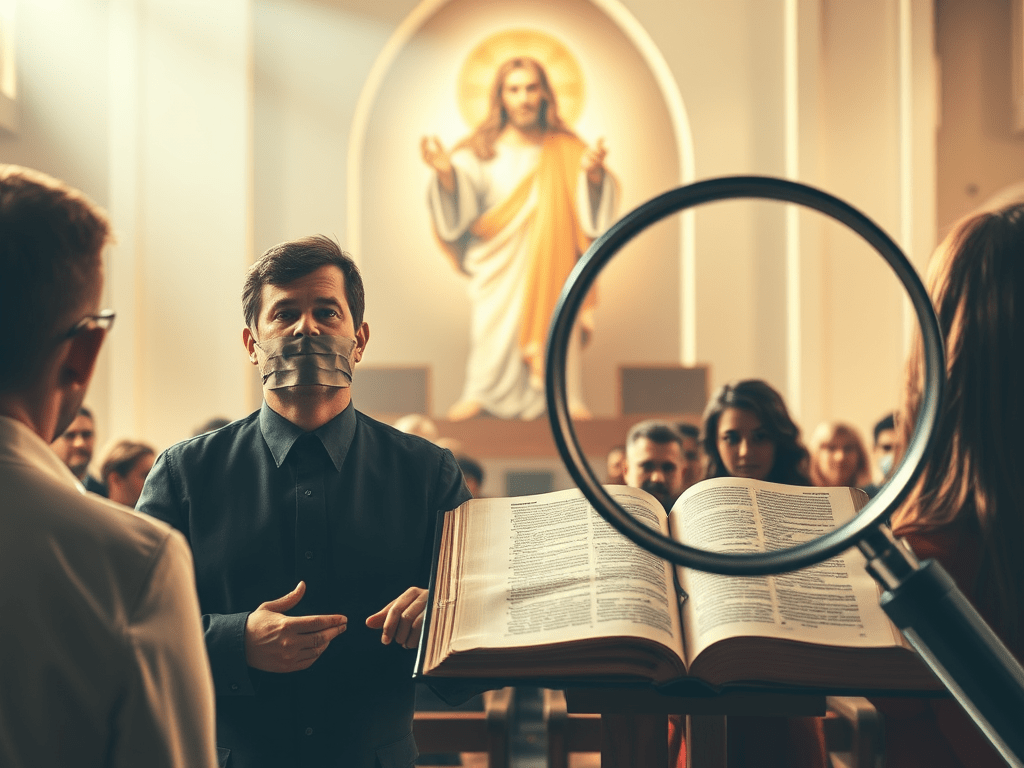
If sex was created good, how did it become so uncomfortable in church? How did something sacred become something we whisper about?
To answer that, we need to walk briefly through history.
Greek Philosophy and the Early Church
Christianity emerged into a Greco-Roman world shaped by Greek philosophy. Plato (427–347 BC) taught that the spiritual realm was superior to the physical. The body was often seen as lower, even problematic.
By the third and fourth centuries, some Christian thinkers were influenced by these ideas. Asceticism grew in popularity. Many believed denying bodily desires, including sexual desire, produced greater holiness.
Augustine of Hippo (354–430 AD), one of the most influential theologians in Western Christianity, wrote deeply about sin and desire after his conversion. He affirmed marriage as good, but he also emphasized how sexual desire had been affected by humanity’s fall in Genesis 3. Over time, parts of his teaching were simplified into a subtle message: sexuality is dangerous, celibacy is safer.
Celibacy became spiritually elevated in many traditions. Marriage was permitted, but restraint was often praised more than delight.
The unintended message formed quietly: the less sexual you are, the holier you must be.
Medieval Rules and Moral Anxiety
During the Middle Ages (roughly 500–1500 AD), detailed guidelines emerged in parts of the Church about when and how marital intimacy was appropriate. Sex was primarily framed around procreation. Pleasure was rarely discussed openly.
At the same time, history records moral failures among leaders who had taken vows of celibacy. Public restraint sometimes hid private struggle.
Whenever desire is suppressed without discipleship, secrecy grows.
Silence does not eliminate desire. It only drives it underground.
Victorian Modesty and Cultural Silence
The Victorian era (1837–1901) reinforced extreme modesty in England and America. Public conversation about sex was considered improper. Women were often portrayed as having little sexual desire, and men were expected to manage theirs quietly.
These cultural attitudes blended with Christian teaching over time. What was meant to be cultural became assumed biblical.
By the twentieth century, many Christian homes simply did not talk about sex at all.
Meanwhile, culture kept talking.
Today, research shows the average age of first exposure to pornography is around 11 to 13 years old. Billions of dollars are generated annually by the global pornography industry. Even among practicing Christians, significant percentages report ongoing struggles with explicit content.
Silence did not protect the next generation. It left them unprepared.
I once counselled a young man who said, “Church told me sex was bad. The internet told me it was everything. I didn’t know who to believe.”
That confusion is very common in today’s world.
The Purity Movement and Its Gaps
In the 1990s, especially in North America, the purity movement gained momentum. Conferences and campaigns encouraged sexual abstinence before marriage. The intention was biblical and protective.
But in some spaces, the messaging became reductionistic. Sexual mistakes were sometimes framed as permanent damage. Metaphors meant to discourage immorality unintentionally deepened shame.
Years later, I have sat with married adults who still feel “defective” because of choices they repented of long ago.
That is not the gospel.
Scripture clearly teaches sexual boundaries. It also clearly teaches redemption. When boundaries are taught without grace, shame flourishes. When grace is taught without boundaries, confusion flourishes.
We need both.
Why This Matters Now
We live in a hypersexualized culture. Sex sells everything from perfume to streaming subscriptions. At the same time, loneliness, anxiety, and relational instability continue to rise globally.
Hookup culture promises freedom but often produces fragmentation. Silence promises purity but often produces ignorance.
The church cannot afford to be silent. Not to be provocative, but to be pastoral.
The solution to distortion is not silence. It is discipleship.
Proverbs 5-7 contains direct, vivid instruction about sexual temptation and wisdom. The father in those chapters does not avoid the topic. He speaks clearly to protect his son.
The Song of Solomon celebrates marital desire poetically and without embarrassment.
1 Corinthians 6 addresses sexual immorality directly and ties it to our identity as temples of the Holy Spirit. Paul does not whisper it, He teaches. In 1 Corinthians 7, Paul gives practical guidance to married couples about mutual intimacy and responsibility.
Ephesians 5 connects marital union to Christ and the Church, elevating sexuality to covenant symbolism.
Scripture speaks about sexuality with clarity, realism, and hope.
If the Bible addresses it, the Church must not avoid it.
Ephesians 4:15 calls us to “speak the truth in love.” Not harshly. Not crudely. But clearly.
If we do not disciple sexuality, culture will.
Sexuality is not a side issue. It is part of discipleship. The body is not separate from spiritual life.
History explains our discomfort. It does not have to define our future.
Personal Reflection
Take a moment to consider:
- Have you ever felt that suppressing sexuality made you more spiritual?
- Did your family or church speak openly and wisely about sex, or was silence the norm?
- Do you still carry shame from past sexual decisions, even after seeking forgiveness?
- Where do you see greater distortion today – overexposure or over-silence?
Let those questions surface honestly.
Let’s Continue the Conversation
What has shaped your understanding of sexuality the most – early church teaching, cultural silence, purity culture, or personal experience?
Share your reflections if you feel comfortable. Honest conversations help build healthier communities. How can the church re-embrace the discussion on sexuality?
In the next episode, we will explore the purpose of sex beyond procreation and why Scripture presents it as bonding, joy, and covenant renewal.
This is not a reaction against the Church. We are helping her speak clearly again.
 Devotional
Leave a comment