The Sound Before the Sermon
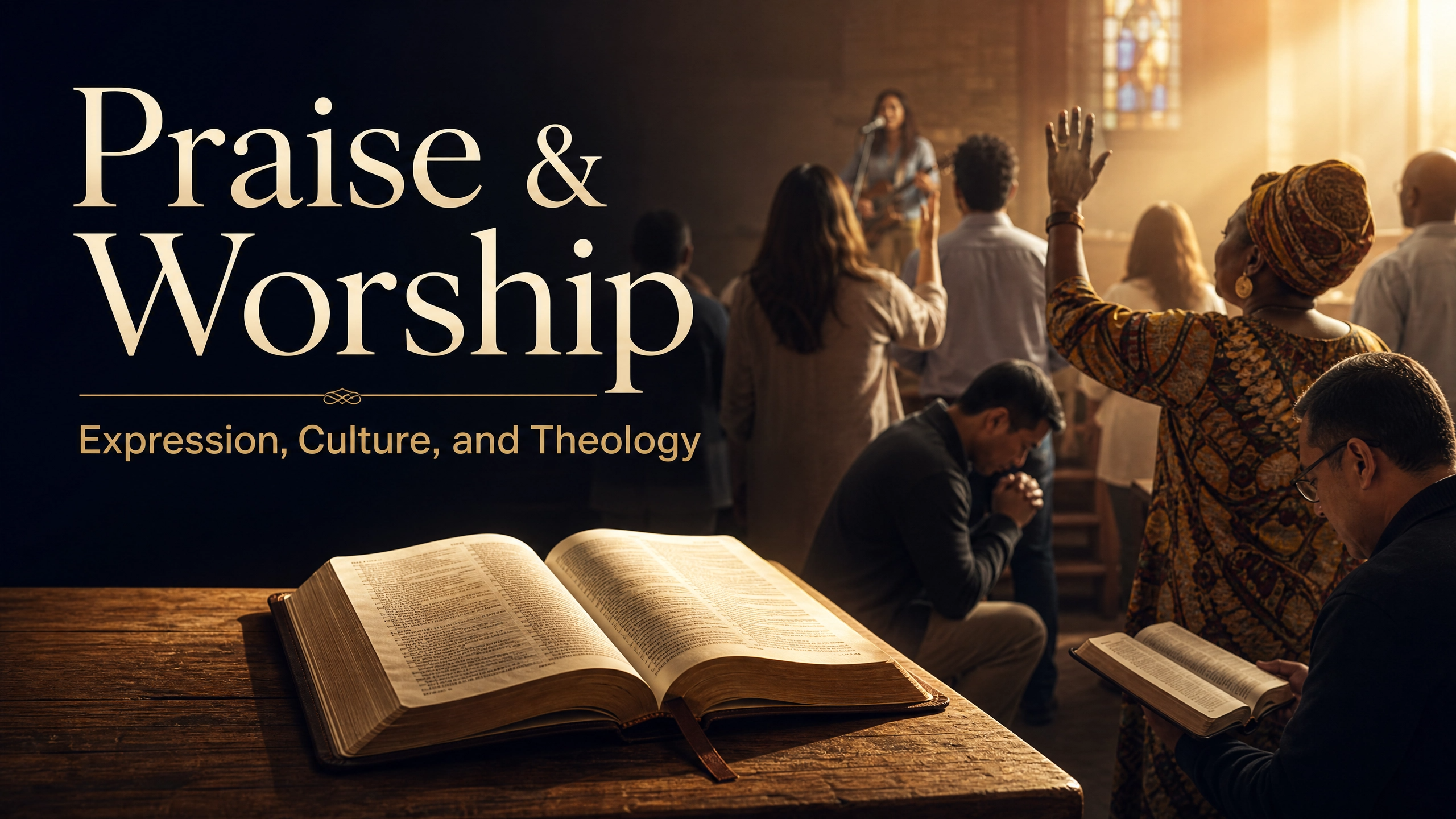
Miriam arrived late, carrying her Bible in one hand and the weight of the week in the other. The church was already singing. At the front, a young man played keyboard softly. An elderly woman stood with both hands lifted. A father held his child while whispering the words. A teenager sat quietly, eyes closed, not singing loudly but clearly praying.
Miriam had grown up in a church where worship was orderly and reserved. Here, people clapped, knelt, raised hands, and sometimes wept. At first, she wondered if it was too much. Then the song reached the line, “Holy, holy, holy is the Lord,” and she remembered Isaiah falling silent before the throne of God (Isaiah 6:1 to 5).
Suddenly the question changed. It was no longer, “Is this my style?” It became, “Is God worthy of all this and more?”
Worship Is More Than Music
The Bible never reduces worship to singing. Worship is the surrendered response of God’s people to His worth. Paul calls believers to present their bodies as a living sacrifice, which is spiritual worship (Romans 12:1). Jesus says true worshippers worship the Father in spirit and truth (John 4:23 to 24).
Singing is one expression of worship, but not the whole of it. The church worships through Scripture, prayer, preaching, giving, baptism, the Lord’s Supper, obedience, holiness, justice, fellowship, and mission. Music helps carry truth into the heart, but truth must remain the anchor.
Biblical Expressions of Praise
Scripture gives wide space for embodied worship. The Psalms call God’s people to sing, shout, clap, bow, kneel, lift hands, and be still before the Lord (Psalm 47:1, Psalm 95:6, Psalm 134:2, Psalm 46:10). David danced before the Lord with joy (2 Samuel 6:14). The early church sang psalms, hymns, and spiritual songs, making melody to the Lord from the heart (Ephesians 5:19, Colossians 3:16).
This means expression is biblical, but expression must be governed by reverence, love, and order. Paul corrects worship that becomes confusing or self-centred, saying that all things should be done for building up and in good order (1 Corinthians 14:26, 40). God welcomes sincere expression, but He does not ask us to perform spirituality for others.
How History Shaped Our Songs
Christian worship has always carried continuity and culture. The early church inherited psalms from Israel and sang confessionally about Christ. Over centuries, liturgical traditions developed chants, hymns, and set responses that trained congregations in doctrine. The Reformation strengthened congregational singing, placing Scripture-rich hymns on ordinary lips.
Later, revival movements gave the church gospel songs that were simple, memorable, and evangelistic. Pentecostal and charismatic renewals emphasized expectation, freedom, testimony, and songs of encounter. Today, global worship includes African drums, Anglican choirs, Orthodox chant, Baptist hymns, Latin American choruses, house church whispers, and contemporary bands.
The lesson is simple. Style travels through culture. Doctrine must travel through every style.
When Style Becomes the Argument
Many churches divide not because they disagree about God, but because they confuse preference with faithfulness. One person says, “Real worship is quiet.” Another says, “Real worship is expressive.” Scripture is broader and deeper than both statements.
Quiet worship can be reverent, or it can be cold. Expressive worship can be joyful, or it can be shallow. Traditional hymns can carry rich doctrine, or become lifeless habit. Contemporary songs can stir affection, or become thin repetition. The issue is not old or new, loud or quiet, organ or guitar. The issue is whether Christ is exalted, Scripture is honoured, the church is edified, and the heart is surrendered.
What God Intends
God intends praise to form us. When we sing truth, we rehearse the gospel. When we lift our hands, we remember dependence. When we kneel, we confess humility. When we sit in silence, we learn reverence. When we shout for joy, we declare that salvation is not a private idea but public gratitude.
Miriam did not leave loving every song, but she left with a softer heart. Worship is not about winning a style argument. It is offering God a truthful response with the whole self.
The Father is still seeking worshippers, not spectators. The church must keep learning to sing, bow, listen, rejoice, and obey in spirit and in truth.
Reflection Questions
1.Which worship style feels most natural to you, and why?
2.Do you ever confuse personal preference with biblical faithfulness?
3.Which biblical expression of worship do you need to recover: singing, kneeling, silence, lifted hands, joy, or obedience?
4.Are the songs you sing shaping your doctrine well?
5.How can your church honour cultural expression while keeping Scripture central?
Prayer
Lord, teach us to worship You in spirit and in truth. Free us from empty performance and lifeless habit. Let our songs carry Scripture, our expressions reveal surrender, and our gatherings exalt Christ. Help us honour different cultures and traditions without losing biblical conviction. Make us worshippers whose praise becomes obedience. Amen.
Leave a Reply